
Evaluation of Palm Oil Mill Effluent Using ROKAS Adsorption Column for Wastewater Treatment

Authors

  • Nur Naimatul Aisyah Juanda Faculty of Chemical Engineering & Technology, Universiti Malaysia Perlis, Kompleks Pusat Pengajian Jejawi, 02600 Arau, Perlis, Malaysia
  • Khairuddin Md Isa Centre of Excellence for Biomass Utilization, Universiti Malaysia Perlis, Kompleks Pusat Pengajian Jejawi, 02600 Arau, Perlis, Malaysia
  • Mohd. Aizudin Abd. Aziz Faculty of Chemical Engineering and Process, Universiti Malaysia Pahang, Pekan, Pahang, Malaysia
  • Saiful Azhar Saad Faculty of Chemical Engineering & Technology, Universiti Malaysia Perlis, Kompleks Pusat Pengajian Jejawi, 02600 Arau, Perlis, Malaysia

Keywords:

Palm oil mill effluent, adsorption, SMART portable wastewater treatment system, ammonia removal, wastewater treatment, activated carbon

Abstract

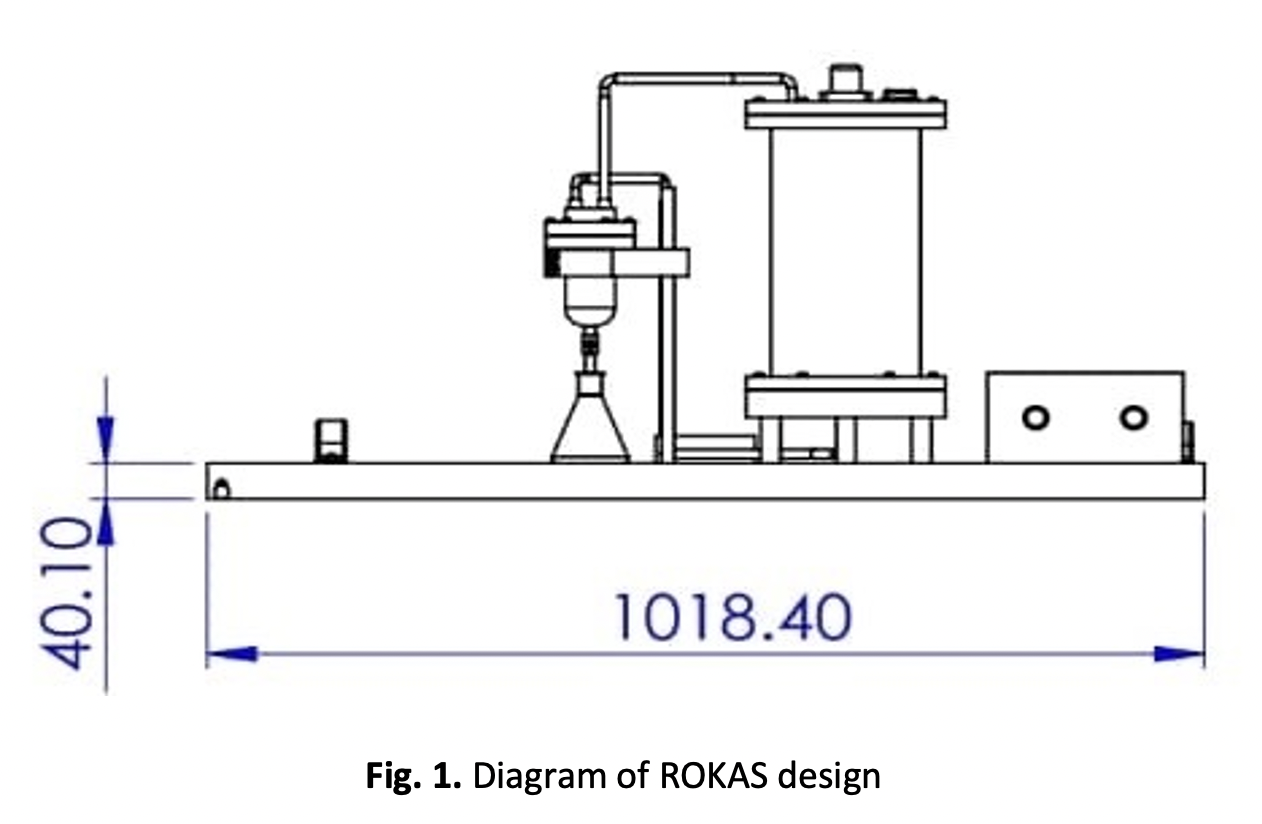
This paper assesses the effectiveness of the ROKAS adsorption column for wastewater treatment, particularly in the treatment of industrial wastewater, such as palm oil mill effluent (POME). This design was developed for participation in the Innovative and Creative Group (KIK) competition in Malaysia. It integrates both adsorption and membrane filtration components; however, for the purpose of this study, only the adsorption component was evaluated.  The removal of primary pollutants using activated carbon (AC) and a mixture of AC and a commercial adsorbent (ammonia reducer (AR)) via the adsorption process was conducted to treat POME. The study emphasizes the effect of pH and contact time on the removal efficiencies of pollutants. The results showed that AC achieved the optimal percentage of color removal removal of 98% in 24 h at pH 8. This study showed that the introduction of AR significantly reduced about 71% of the initial ammonia content. These findings support the feasibility of adsorption-based systems of decentralized, cost-effective, and sustainable wastewater treatment. Future research recommendations include a continuous flow system design, operational enhancement, and the evaluation of the effectiveness of bio-alternative adsorbents.

Author Biographies

Khairuddin Md Isa, Centre of Excellence for Biomass Utilization, Universiti Malaysia Perlis, Kompleks Pusat Pengajian Jejawi, 02600 Arau, Perlis, Malaysia

khairudin@unimap.edu.my

Mohd. Aizudin Abd. Aziz, Faculty of Chemical Engineering and Process, Universiti Malaysia Pahang, Pekan, Pahang, Malaysia

maizudin@ump.edu.my

Saiful Azhar Saad, Faculty of Chemical Engineering & Technology, Universiti Malaysia Perlis, Kompleks Pusat Pengajian Jejawi, 02600 Arau, Perlis, Malaysia

saiful@unimap.edu.my

Downloads

Published

2025-11-12

Issue

Section

Articles