
Enhancing the Cholesterol-Binding Potential of Modified Chitosan

Authors

  • Siti Nur Farahayu Abd Rahman Faculty of Applied Sciences and Technology, Universiti Tun Hussein Onn Malaysia, 84600, Pagoh, Johor, Malaysia
  • Siti Amira Othman Faculty of Applied Sciences and Technology, Universiti Tun Hussein Onn Malaysia, 84600, Pagoh, Johor, Malaysia

Keywords:

Chitosan, fat binder, blood, cholesterol level, cholesterol

Abstract

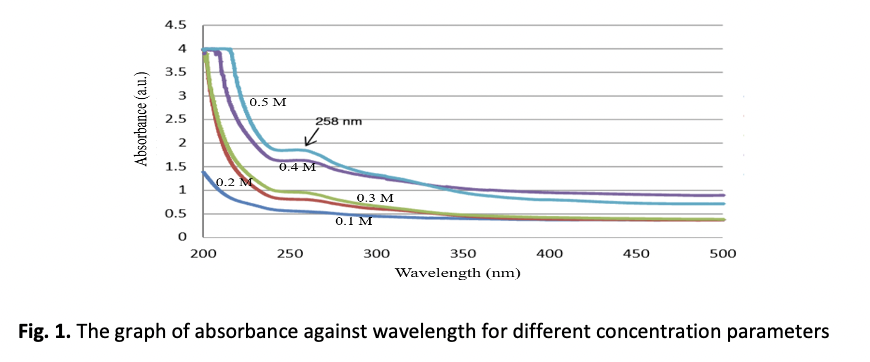
Chitosan is a natural polysaccharide derived from the deacetylation of chitin, a major component of the exoskeletons of crustaceans such as crabs, shrimp, lobsters, and crawfish. It can be chemically modified to enhance its hydrophobicity, thereby reducing its affinity for water and increasing its enzymatic activity. Due to its hydrophobic nature, modified chitosan is believed to bind effectively to neutral lipids such as cholesterol. While cholesterol plays a vital role in human metabolism, elevated levels can pose significant health risks. This study investigates key parameters that influence the cholesterol-lowering potential of hydrophobically modified chitosan. The parameters examined include chitosan concentration, pH levels, and types of cooking oil. Additionally, the effect of gamma radiation on the samples is evaluated. Cholesterol entrapment is quantified using the entrapped oil method, while the characteristics of the formed oil droplets are observed using an MB1-1600X microscope. Sample analyses are conducted using UV-visible spectroscopy to measure absorbance, Fourier transform infrared spectroscopy (FTIR) to identify chemical bonds, and field emission scanning electron microscopy (FESEM) to examine sample morphology. The research concludes by assessing the interaction between chitosan and cooking oil under varying conditions and evaluating the impact of gamma radiation on these interactions. The findings of this study contribute to the development of chitosan-based materials with enhanced cholesterol-binding capacity, offering promising applications in functional foods, dietary supplements, and potential therapeutic agents for managing high cholesterol levels.

Author Biography

Siti Amira Othman, Faculty of Applied Sciences and Technology, Universiti Tun Hussein Onn Malaysia, 84600, Pagoh, Johor, Malaysia

sitiamira@uthm.edu.my

Downloads

Published

2026-04-23

Issue

Section

Articles