
The Key Factors for Uncertainty on BIM Software usage for the Interior Design Industry

Authors

  • Abu Bakar Abd Hamid Studies of Interior Architecture, School of Architecture and Interior Architecture, College of Built Environment Universiti Teknologi MARA, Puncak Alam, Selangor Malaysia
  • Muhammad Danial Ismail Studies of Interior Architecture, School of Architecture and Interior Architecture, College of Built Environment Universiti Teknologi MARA, Puncak Alam, Selangor Malaysia
  • Arniatul Aiza Mustapha Studies of Interior Architecture, School of Architecture and Interior Architecture, College of Built Environment Universiti Teknologi MARA, Puncak Alam, Selangor Malaysia
  • Mohamed Rashid Embi Department of Architecture, Faculty of Built Environment and Surveying Universiti Teknologi Malaysia Johor, Malaysia

Keywords:

building information modelling, interior design, software, technology, key factors

Abstract

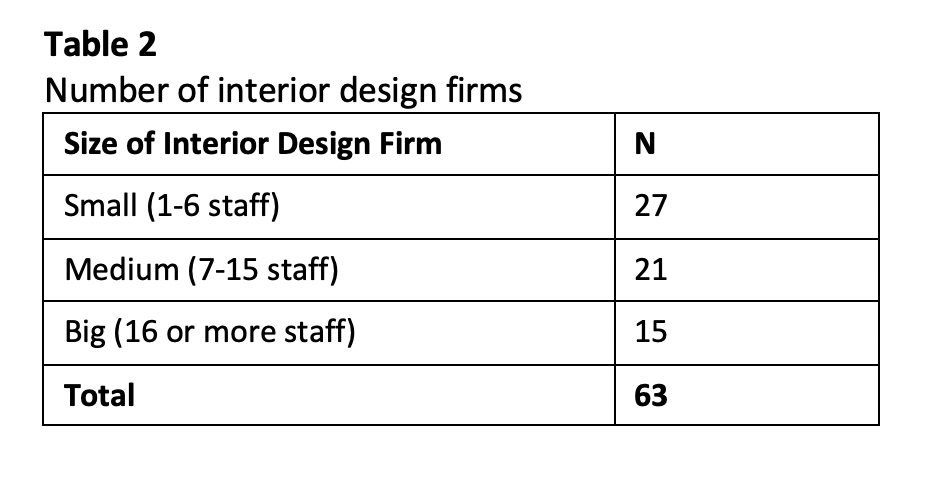
Building Information Modeling (BIM) can contribute numerous benefits to the construction industry, especially for the interior design industry. The purpose of this study is to explore the barriers to software usage in BIM technology and identify the key factors of uncertainty for practitioners while BIM is implemented in the interior design industry in Malaysia. To investigate the research objectives, the mixed method was adopted, and a structured questionnaire was designed. A total of sixty-three respondents were involved in answering questionnaires. Experts among interior design firms determined in Klang Valley, Malaysia, were filtered through the registered Lembaga Arkitek Malaysia (LAM) to be certified as professional respondents. The results of the questionnaires showed that the barriers are a lack of skilled BIM operators, not being interested in BIM use, licensing issues, interoperability between software, and certain projects that require BIM. The findings from this study will help develop a framework to enhance the readiness to use software in BIM technology among the interior design industry in Malaysia, which is considering implementing BIM and enabling the development of a new paradigm in the BIM process. This research reflects the future of increasing the efficiency and productivity of the interior design industry in the construction industry in the Malaysian context.

Author Biography

Abu Bakar Abd Hamid, Studies of Interior Architecture, School of Architecture and Interior Architecture, College of Built Environment Universiti Teknologi MARA, Puncak Alam, Selangor Malaysia

abah7591@uitm.edu.my

Downloads

Published

2026-05-04

Issue

Section

Articles