Research Progress on Vision Guidance of Industrial Robots Based on Bibliometrics
Keywords:
Visual guidance, VOSviewer, bibliometrics, Industrial robotAbstract
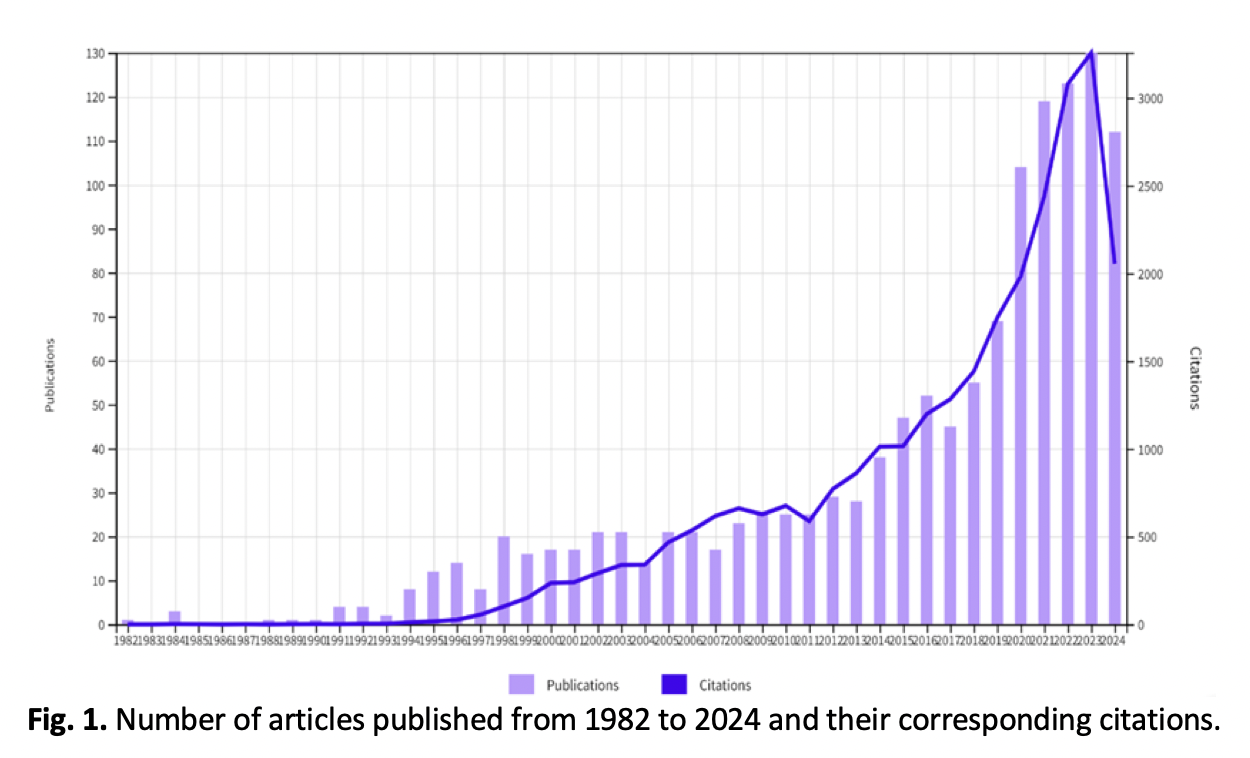
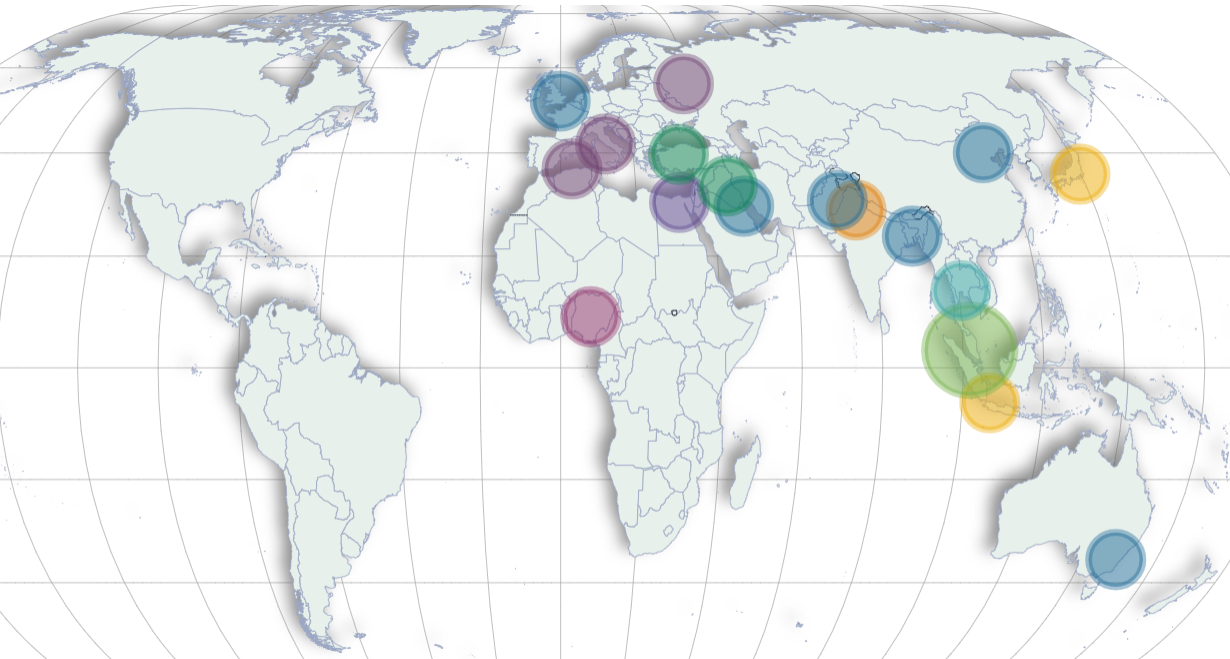
This paper provides a thorough bibliometric analysis of the evolution of visual guidance technology in industrial robotics from 1982 to 2024. The study examines patterns in publication trends, international collaboration, top contributors, and significant research themes using literature from the Web of Science Core Collection. VOSviewer (version 1.6) is used. 20), with a peak in publications in 2023, the analysis shows a steady increase in scholarly output. 4,226 authors, 1,164 institutions, and 65 countries or regions were represented in the 1,294 publications that were examined in total. The results show that intelligent and adaptive control systems are becoming more and more popular, which is indicative of the incorporation of computer vision, AI, and machine learning into robotic guidance. Improved accuracy, real-time responsiveness, obstacle navigation, and adaptability in challenging situations are noteworthy themes. Overall, this analysis provides insightful information about the direction of this field's research, pointing academics and industry professionals toward significant developments and future paths in industrial robot visual guidance.