
A Systematic Review of Thermomechanical Performance and Sustainability of Date Palm Fiber Composites for Eco-Friendly Building Applications

Authors

  • Mini Jose Anand School of Sustainable Infrastructure and Energy Engineering, Bahrain Polytechnic, Bahrain
  • Roslina Mohammad Faculty of Artificial Intelligence, Universiti Teknologi Malaysia, Kuala Lumpur 54100, Malaysia
  • Abdelgadir Mohamed Mahmoud School of Sustainable Infrastructure and Energy Engineering, Bahrain Polytechnic, Bahrain
  • Ahmed Abdelrhman School of Sustainable Infrastructure and Energy Engineering, Bahrain Polytechnic, Bahrain

Keywords:

Date palm fiber composites, sustainable building materials, natural fiber insulation, fiber-to-matrix ratio, thermal conductivity, eco-friendly composites

Abstract

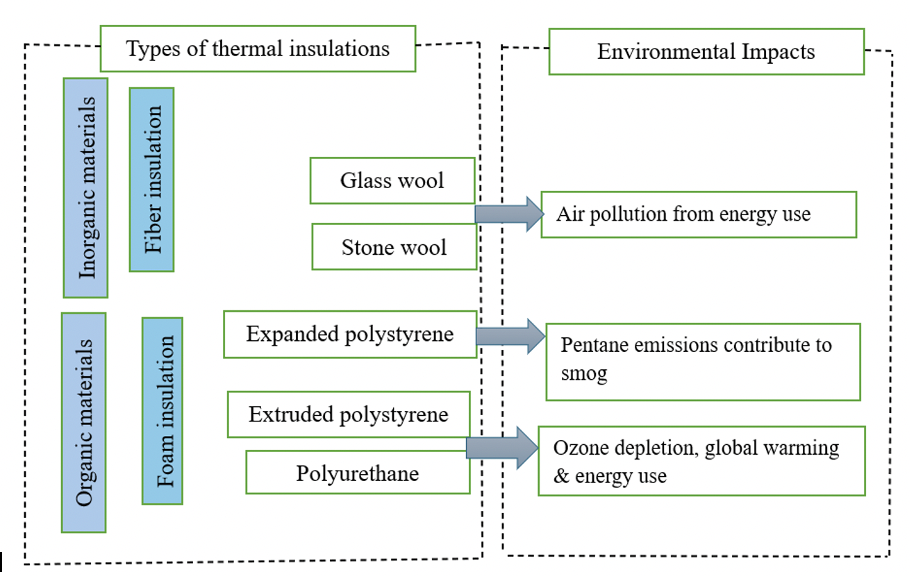
The increasing demand for sustainable building materials has intensified research into natural fiber composites, with date palm fibers emerging as a promising, eco-friendly alternative for thermal insulation. This systematic review critically evaluates 102 studies to examine the influence of fiber processing techniques, fiber-to-matrix ratios, pressing forces, and surface treatments on the thermomechanical performance of date palm-based composites. Results indicate that optimal fiber content (30 –50%), controlled processing, and surface modifications can significantly enhance tensile, compressive, and flexural properties, while maintaining a low thermal conductivity of 0.038 –0.112 W/m · K. Compared to conventional materials such as glass fiber, polyurethane, and expanded polystyrene, date palm composites demonstrate superior biodegradability, lower carbon footprint, and renewable sourcing. However, challenges remain in moisture sensitivity, durability, and fire resistance. The review identifies critical knowledge gaps and provides actionable recommendations, including hybrid composite development, fire-resistant treatments, and durability assessment under real-world conditions, to facilitate the practical adoption of date palm fiber composites in sustainable construction.

Author Biography

Roslina Mohammad, Faculty of Artificial Intelligence, Universiti Teknologi Malaysia, Kuala Lumpur 54100, Malaysia

mroslina.kl@utm.my

Downloads

Published

2026-07-31

Issue

Section

Articles