

The Application of SPOT Imagery in Observing the Environmental Impact of Oil Palm Plantation Activities

Authors

  • Mohamad Jafri Ahmad Department of Land Management, Faculty of Agriculture Universiti Putra Malaysia, 43400 Serdang, Selangor, Malaysia
  • Roslan Ismail Department of Land Management, Faculty of Agriculture Universiti Putra Malaysia, 43400 Serdang, Selangor, Malaysia
  • Elisa Azura Azman Department of Plant Science, Faculty of Agriculture Universiti Putra Malaysia, 43400 Serdang, Selangor, Malaysia
  • Nitty Hirawaty Kamarulzaman Department of Agribusiness and Bioresource Economics, Faculty of Agriculture Universiti Putra Malaysia, 43400 Serdang, Selangor, Malaysia
  • Mohamad Suheri Korintiga Hutani, Kota Jakarta Selatan, Jakarta 12780, Indonesia
  • Fadhilah Abdul Ghani Department of Business and Management, UNITEN Business School, Universiti Tenaga Nasional, Sultan Haji Ahmad Shah Campus, 26810 Muadzam Shah, Pahang, Malaysia

Keywords:

Oil palm, plantation, peat swamp forest, remote sensing, environmental

Abstract

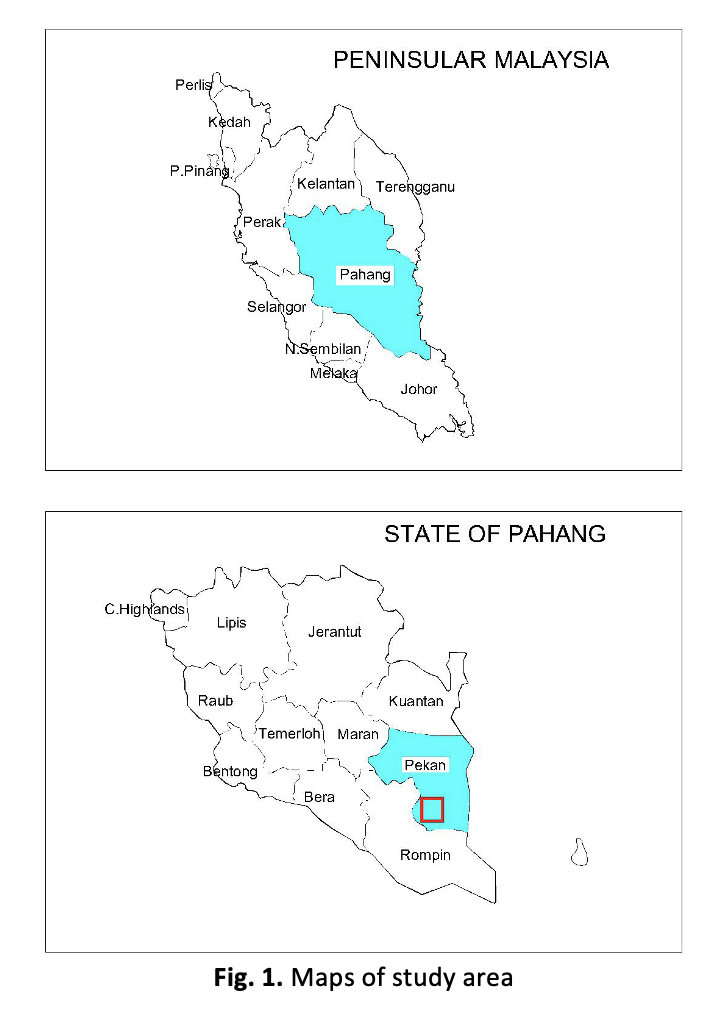
The establishment of oil plantations involves massive land clearing and requires large geographical areas. Despite their positive contribution to the economic and social status of the planters, oil palm plantations always have negative impacts on the environment. The primary goal of this study is to observe and detect the changes in peat swamp forest in Pekan District and identify whether oil palm plantation activities are the cause of land use change in the study area. In this study, we use SPOT images that allow us to examine a large study area within a short time without ground access to the forest. We found that oil palm plantation activities in this area are a major contributor to land use change. About 290.27 hectares of peat swamp forest were converted to other land uses, primarily to establish new oil palm plantations. It shows that oil palm plantations cause deforestation and other environmental issues. The use of remote sensing imagery in oil palm monitoring will help farmers and authorities manage the negative impacts on the environment. Expanding this technology in the oil palm sector will also improve efficiency, productivity and yield.

Downloads

Published

2026-09-17

Issue

Section

Articles